A mattress is more than a flat place to sleep. Beneath its surface, springs, natural fibers, and layers of upholstery work together to shape how the bed yields, supports, and responds when a sleeper moves. The Vispring Tiara Superb belongs to the traditional pocket-spring category: a design whose comfort depends on the interaction of its materials, its spring system, and the person resting on it.
What to Know About the Vispring Tiara Superb: Construction, Feel, and Fit
For anyone comparing mattresses, the model name alone tells only part of the story. Construction details can help explain why one bed feels buoyant and responsive while another feels more yielding or close-fitting. But even a carefully made mattress is not universally comfortable. Sleep position, body shape, preferred firmness, bedroom temperature, and the foundation beneath the bed all influence the experience.
This guide looks at how to assess the Vispring Tiara Superb without treating a specification sheet as a guarantee of comfort. It outlines what traditional pocket springs and natural upholstery can mean in practice, how to evaluate the feel, and what to consider before deciding whether the mattress suits your needs.
A traditional mattress, considered as a system
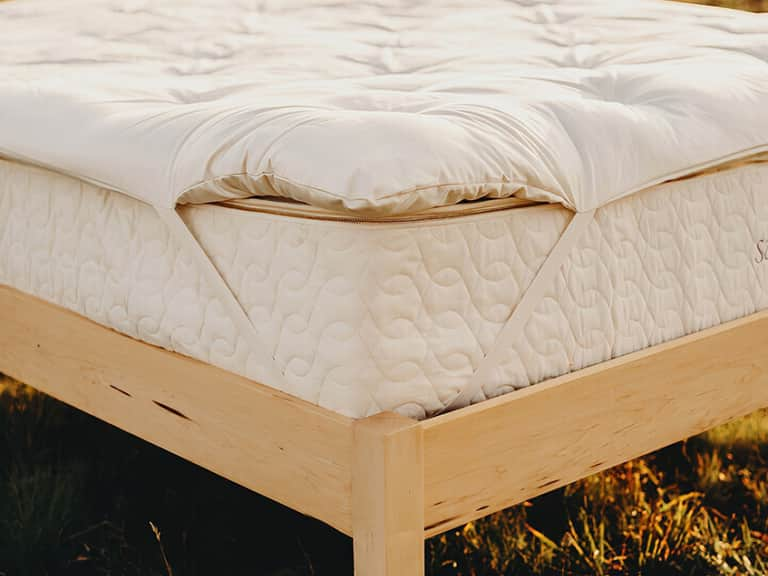
The Tiara Superb is associated with Vispring’s traditional, upholstered pocket-spring approach. In this type of construction, springs sit in individual fabric pockets rather than being joined into one continuous coil unit. The pockets allow springs to compress with some independence from their neighbors. In broad terms, that can help the mattress respond locally to pressure, rather than moving as a single rigid surface.
Above and around the spring unit, upholstery materials add cushioning and influence how quickly the bed responds. Vispring models are commonly discussed in relation to natural fibers and layered, hand-finished construction. Exact materials and specifications can vary by model, size, and market, so it is sensible to check the current Tiara Superb specification for the precise version being considered. A description of a material does not, on its own, establish how a mattress will feel to every sleeper.
It helps to picture the mattress as a landscape of layers. The spring unit is the underlying terrain; the upholstery is the softer ground above it; and a sleeper’s body is the changing load that crosses both. The final impression—firm, gentle, springy, or cushioned—comes from the combination, not from one isolated feature.
That distinction matters when comparing beds. Two mattresses can both use pocket springs and still feel quite different because of spring tension, the way the springs are arranged, the thickness and composition of upholstery, and the tension of the cover. Construction explains possible behavior. It cannot replace a careful fit assessment.
What pocket springs may mean for movement and support
In a pocket-spring mattress, each enclosed spring can compress in response to pressure on the area above it. This design is intended to offer a more localized response than interconnected spring systems. When one person shifts position, the other side of the bed may be less affected than it would be on some more tightly linked constructions. The actual result depends on the mattress’s design, its size, the sleepers’ weights and movements, and the bed base.
Springs can also create a buoyant sensation. Rather than slowly settling around the body in the same way some foam surfaces do, a spring mattress may press back as the sleeper changes position. Some people enjoy that lift because it can make turning feel straightforward. Others prefer the closer contour of a foam surface, which may feel more enveloping. Neither response is inherently better; the useful question is which one feels comfortable and stable to you.
Support is sometimes mistaken for firmness. A mattress can feel soft at the surface and still provide a stable foundation, while a firm-feeling surface may not suit a person’s pressure-relief needs. Support describes how well the sleep surface helps a sleeper remain comfortably aligned. Firmness describes the subjective resistance felt when lying down. The two are related, but they are not interchangeable.
For the Tiara Superb, as for any pocket-spring bed, the practical test is how the mattress behaves beneath your body. Notice whether your hips and shoulders settle comfortably, whether your lower back feels supported, and whether you can change position without straining. A specification can suggest what to investigate; a real trial can reveal whether that response works for you.
Natural upholstery and the feel of the surface
Natural fibers are often used in traditional mattress upholstery because they can contribute softness, resilience, and moisture management. Wool, cotton, and other fibers may be layered in a mattress to change its cushioning and surface character. Their behavior depends on how they are processed and combined, and on the construction surrounding them. The presence of a natural material should not be read as a simple promise of cooler sleep, greater durability, or a particular firmness.
Fibers can create a surface that feels different from a thick, slow-response foam comfort layer. A well-upholstered spring mattress may feel gently cushioned while retaining a noticeable spring response beneath. The sensation can be less like sinking into a single soft material and more like settling into a layered surface that yields and recovers. That description is only a starting point: individual bodies register pressure and movement differently.
Temperature is another part of the experience. A sleeper’s warmth is affected by bedding, pajamas, room conditions, humidity, and personal physiology, as well as mattress materials. Natural-fiber upholstery may appeal to people who value fiber-based materials, but it cannot guarantee a cool night in a warm room or under heavy bedding. Consider the complete sleep environment rather than expecting one mattress material to control temperature by itself.
For a meaningful comparison, lie on the mattress long enough to notice more than the first impression. A brief sit on the edge is not the same as lying in your usual position. Give your shoulders and hips time to settle, then roll over. Pay attention to pressure, ease of movement, and whether the surface remains comfortable after several minutes.
How sleep position changes the fit
Sleep position offers a useful framework for evaluating a mattress, though it does not dictate a single correct firmness. The goal is a surface that feels comfortable while allowing the body to rest in a relaxed, supported posture. People who move between positions may need to assess more than one posture before making a decision.
- Side sleepers: Notice pressure around the shoulder and hip, where body weight meets the mattress. A surface that is too resistant for your build may feel uncomfortably firm in those areas. A surface that yields excessively may feel unstable. Look for a balance that cushions pressure points while keeping the rest of the body comfortable.
- Back sleepers: Check whether the mattress feels even beneath the shoulders, lower back, and pelvis. The aim is not to force the spine into a rigid position, but to find a surface that feels steady without creating a pronounced gap or pressure point.
- Stomach sleepers: Consider whether the pelvis feels supported rather than sinking noticeably. Because body shapes and mattress designs differ, test this position directly if it is how you usually sleep.
- Combination sleepers: Try turning from side to back and back again. A responsive spring surface may feel easy to move across, but the key is whether the mattress remains comfortable in each position you use regularly.
Body weight and proportions also influence how a mattress feels. A lighter person may experience a surface as firmer because they compress it less deeply, while a heavier person may feel more of the underlying support. The same bed can therefore produce different impressions within one household. If two people share the mattress, each should test it, and both should consider how their movements and preferred positions affect the other person’s rest.
Firmness is a personal measurement
Firmness labels are useful for narrowing a search, but they are not universal measurements. A “medium” mattress from one maker may not feel like a “medium” mattress from another. Even a person’s own description can shift with sleep position, fatigue, body weight, and the bed they have used most recently. A label should be treated as a guide, not a verdict.
When assessing the Tiara Superb, separate three questions: Does the surface feel comfortable at first contact? Does it remain comfortable after you have settled into your normal position? Can you move without feeling trapped, jolted, or unsupported? Taken together, these observations are more revealing than a simple ranking from soft to firm.
Allow for the difference between showroom testing and home use. Clothing, room temperature, time spent on the mattress, and the base beneath it can all change the impression. If a retailer offers a trial period or detailed exchange terms, read those conditions closely before purchase. Confirm what counts as a valid trial, how long it lasts, whether fees apply, and what condition the mattress must be in for an exchange.
The bed base is part of the equation
A mattress does not perform in isolation. Its base affects the height, stability, and overall feel of the bed. A compatible, level foundation can help provide consistent support, while a worn, uneven, or unsuitable base may create dips or alter how the mattress responds. Before buying, check the manufacturer’s guidance for the recommended foundation and any requirements relating to slats, spacing, or support across the bed’s width.
Also consider practical fit. Measure the bed frame’s internal dimensions rather than relying only on a size name, which can differ between regions or product ranges. Confirm the mattress depth and how that depth will work with fitted sheets, headboards, bed rails, and any existing frame. A deep mattress can change the height at which a sleeper gets in and out of bed, and can affect how much of a headboard remains visible.
If the mattress is being placed on an adjustable base, verify compatibility directly with the manufacturer or retailer. Traditional spring constructions should not be assumed to work with every adjustable platform. The correct answer depends on the product’s design and the base’s movement, not simply on the fact that the mattress contains springs.
Bedding, protection, and surface changes
Sheets, protectors, and mattress pads form the immediate environment around the mattress. They can affect how the surface feels, how it handles moisture, and how easy it is to keep clean. A thick or heavily padded layer may soften the first impression; a thin protector may preserve more of the mattress’s original feel. If you are trying a mattress, use bedding that is reasonably similar to what you plan to use at home.
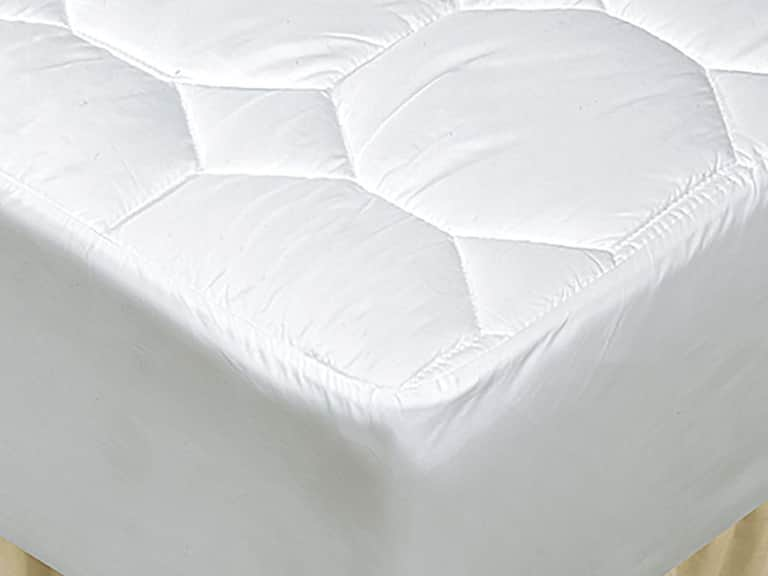
For example, the DownTown Company Luxury Cotton Mattress Pad adds a breathable, softly cushioned layer and is described as having an 18-inch fitted pocket. It is machine washable. A pad such as this can be useful when extra surface cushioning or a washable bedding layer is desired, but it also changes the contact surface. If you are evaluating the mattress’s feel, try it first without an added comfort layer, then decide whether a pad improves the experience.
Protectors and pads are not the same thing. A protector is generally chosen to help guard against spills, perspiration, and everyday soiling; a pad may add a degree of cushioning as well. Product designs vary, so check the care instructions, materials, fit, and stated protection rather than assuming every layer serves the same purpose. Choose a depth that fits the mattress securely without pulling at the corners or bunching beneath the sheet.
To preserve the mattress, follow its own care instructions. Rotating may be recommended for some designs, while turning over is not appropriate for mattresses built with a designated top surface. Do not assume that every mattress should be flipped or rotated on the same schedule. The manufacturer’s current guidance is the safest reference.
A practical checklist before choosing
Before deciding whether the Vispring Tiara Superb fits your needs, gather the details that affect both comfort and everyday use. A few minutes spent checking these points can prevent a mismatch between the mattress you imagine and the one that arrives.
- Confirm the current construction and materials for the exact model, size, and market you are considering.
- Test the mattress in your usual sleep positions, not only while sitting or lying briefly on your back.
- Assess pressure around the shoulders and hips, support through the torso, and ease of changing position.
- If sharing the bed, have both sleepers test it and discuss movement, comfort, and temperature preferences.
- Check compatibility with the foundation or bed frame, including any manufacturer requirements.
- Measure the frame and consider mattress height, fitted-sheet depth, and access to the bed.
- Read delivery, trial, exchange, warranty, and care terms before purchase.
- Decide whether you want a mattress protector or an additional comfort layer, and account for its effect on feel.
This checklist is not a scoring system. It is a way to make comparisons consistent. When visiting more than one showroom or considering several models, note what you felt in each position and which features mattered most. Memory is an unreliable mattress-testing tool; written observations are easier to compare later.
Questions worth asking
Specifications can be detailed, but some practical information is easiest to obtain directly from the seller or manufacturer. Ask which foundation is recommended, whether the listed materials apply to the size you want, and what the trial or exchange process actually entails. If you have a particular concern—such as sensitivity to a material, a need for a low-profile bed, or the use of an adjustable base—raise it before purchase rather than relying on general descriptions.
It is also useful to ask how the mattress should be cared for and what the warranty covers. A warranty is not a promise that every change in comfort will qualify as a defect. Its terms may distinguish manufacturing problems from normal wear, and may specify requirements for the supporting base. Reading those details in advance makes the long-term expectations clearer.
Do not interpret a high spring count, a prestigious model name, or a list of natural materials as a shortcut to personal fit. Those details may help explain design intent, but they cannot tell you whether your shoulder will feel comfortable or whether your partner will notice movement. The sleeper’s experience remains the central evidence.
Who might appreciate this kind of design?
People who enjoy a spring-responsive surface and the layered character of a traditionally upholstered mattress may find the Tiara Superb worth testing. Its pocket-spring category may be especially relevant to sleepers who want to compare localized spring response with foam-based designs. Those who value material details may also wish to investigate the precise upholstery used in the version available to them.
Conversely, someone who strongly prefers a deep, slow-contouring sensation may find a traditional spring mattress less familiar than a thick memory-foam surface. A sleeper seeking a very specific firmness should not assume the model name guarantees it. And anyone with particular support or health concerns should focus on comfort and professional advice relevant to their situation rather than treating a mattress as a medical solution.
The best candidate is not defined by a single sleep position or material preference. It is the person who tests the mattress carefully, checks the practical details, and finds that the bed feels comfortable and stable over time.
The most useful way to judge the Tiara Superb
The Vispring Tiara Superb is best approached as a complete sleep surface: spring unit, upholstery, cover, foundation, and bedding working together. Its traditional pocket-spring construction provides a reason to investigate how the mattress responds to pressure and movement. Its upholstery contributes to the surface character, while its fit depends on the sleeper’s body, position, preferences, and bedroom setup.
Rather than asking whether the mattress is simply “good” or “firm enough,” ask more precise questions. Does it cushion the places where you feel pressure? Does it keep you comfortable in your ordinary sleep position? Can you move naturally? Does it work with your bed base and bedding? And have you confirmed the current specifications and purchase terms?
A thoughtful answer to those questions is more valuable than any single feature on a label. The right mattress is not a universal ideal; it is the one whose construction and feel make sense for the sleeper who will use it, night after night.