York Mattress Pad
Experience cloud-like loft and balanced comfort with York, a premium cotton-filled mattress pad that stays fluffy, breathes, and feels silky-soft on skin for a luxe sleep every night.
An editorial exploration of how thoughtful selection of organic materials, credible certifications, and alignment with sleep needs can lead to healthier nights and more mindful living. This guide distills complex jargon into actionable steps, weaving in timeless perspectives from notable figures across history to illuminate the evolving story of rest, wellbeing, and home comfort.
Around the world, people awaken to a new language of sleep—one that foregrounds materials, transparency, and environmental stewardship. Organic mattresses are more than a trend; they are a response to rising awareness about how our sleeping surfaces touch our bodies and the ecosystems that cradle our daily lives. In this guide, we examine three core pillars: materials and comfort, certifications that verify integrity, and practical steps to compare options without getting lost in technical fog.
As with many long-standing crafts, the promise of a perfect night begins with the fibers and foams that meet our skin. Organic cotton, natural latex, and wool each contribute distinct textures, temperature regulation, and durability. When paired with credible certifications, they offer a roadmap to sleep that is both healthy and restorative. The stories that follow—told in voices from different eras—help ground these modern concerns in a broader human conversation about comfort, hygiene, and the science of rest.
The organic mattress landscape often centers on three materials: organic cotton, natural latex, and wool. Each brings a unique set of properties that influence comfort, temperature, and longevity.
In practice, a well-made organic mattress often combines these elements to achieve an equilibrium between contouring support and air flow. Think of the surface as a conversation among materials: cotton for breathability, latex for support, and wool for climate regulation. This triad forms the backbone of many high-quality organic ensembles that appeal to sleepers seeking long-term healthful sleeping environments.
Certifications serve as verification that the mattress' materials are organic or produced under strict safety standards. They help consumers navigate product labels that can otherwise be opaque. The most commonly encountered certifications include:
These certifications function as a trusted shorthand for shoppers: they imply a commitment to safer materials and responsible manufacturing practices. When evaluating options, a mattress with GOTS and GOLS certifications paired with OEKO-TEX testing offers a robust baseline for healthful sleep surfaces. It is worth noting that certifications often reflect the whole textile chain, from raw fiber to finished product, including intermediate layers such as padding and encasements.
Beyond certifications, the practical task is to assess how a mattress feels in your own sleeping routine. Comfort is deeply personal and influenced by sleep position, body weight, and any specific health considerations. Here are straightforward checks to guide your decision:
A useful heuristic is to map your priorities: prioritize healthy materials if you have allergies or sensitivities; prioritize support if you have chronic back pain; and prioritize temperature regulation if you tend toward night sweats. In every case, seek transparency about materials, manufacturing practices, and warranty terms.
To translate theory into a lucid shopping experience, follow this concise path that respects both evidence and personal preference:
As you approach a final choice, remember that an organic mattress is an ecosystem. Its benefits unfold over time as the materials adapt to your body and environment, making patience and an informed, values-driven approach essential.
To enrich the understanding of organic sleep, this guide steps into conversation with three influential figures from different periods, who each, in their own way, reflected on the importance of rest, craft, and the spaces we inhabit.
Hypatia of Alexandria (c. 350–415 CE)
Her pursuit of knowledge and clarity embodies the spirit of inquiry that underpins the modern consumer’s quest for transparent information. In a world where sleep is a private ritual, the ethic of rigorous thinking helps us demand honest descriptions of materials and processes, rather than opaque promises. Hypatia’s example invites us to discern the logic of how a mattress is made—from fiber to finish—and why those choices matter for long-term health.
Mary Wollstonecraft (1759–1797)
Her advocacy for dignity and wellbeing resonates in a contemporary consumer context where bedding is not just a product but a living environment that shapes daily life. Wollstonecraft’s insistence on reasoned argument and accessible knowledge mirrors the ethos of communicating complex material science in approachable terms. In her spirit, this guide translates technical aspects of organic mattresses into practical checks for readers seeking clarity and autonomy in making decisions about rest.
Virginia Woolf (1882–1941)
Woolf’s sensitivity to interiors and the rhythms of daily life offers a literary reminder that sleep is inseparable from place. The design of a bed, the texture of a cover, and the temperature of a room contribute to a narrative of personal comfort. In the spirit of Woolf, the article treats the sleeping environment as a stage for creative and restorative living—a space where materials, textures, and light converge to support a deeper sense of well-being.
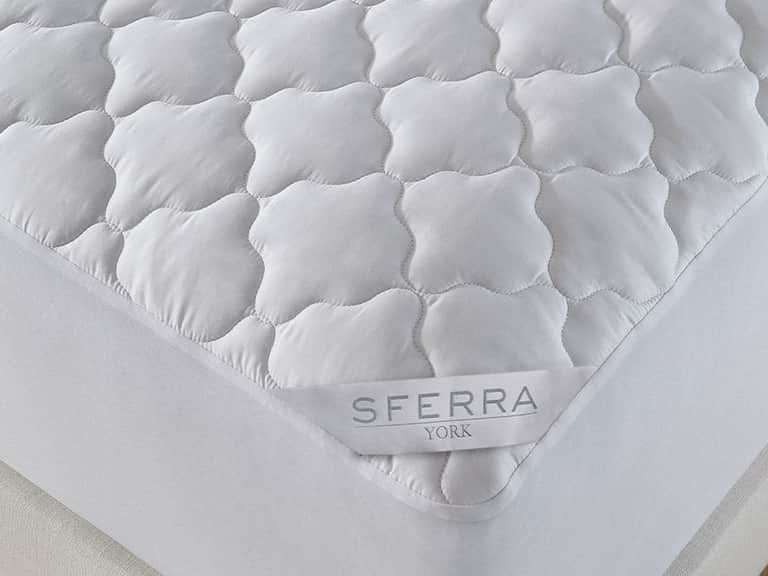
The York Mattress Pad offers a pristine example of how a high-quality organic cover and filling can transform the sleeping surface. This luxury down-alternative pad is filled with 100% premium cotton, delivering exceptional loft and balanced comfort beneath a 300-thread-count cotton sateen shell. Its construction emphasizes breathability and a non-clumping fill, ensuring enduring loft without the nuisance of shifting padding. In practice, a pad like York can act as the first line of comfort enhancement for an organic mattress, providing warmth in winter and a cooling-friendly surface in summer.
Care guidance emphasizes gentle handling: machine washing on a cold cycle with careful drying to maintain loft. This aligns with the broader theme of longevity and responsibility—the idea that comfort should be sustainable across seasons and years.
Price: $295.00
Care: Machine wash cold; tumble dry low. Do not use bleach or fabric softener.
Gallery highlights feature a clean, modern aesthetic with white tones and subtle sheen. While the York pad sits atop a mattress, it also helps delineate the importance of protective layers in maintaining hygiene and extending product life.
Notes: York is presented here as a representative example of how premium padding complements an organic mattress, offering an accessible entry point into higher-tier comfort ecosystems.
Choosing an organic mattress requires a blend of material literacy, faith in credible certifications, and a clear understanding of personal sleep needs. It is less about chasing a flawless product and more about cultivating a sleep environment that remains healthy and comfortable across seasons and years. By grounding decisions in the materials themselves, verifying claims with trusted standards, and testing surfaces through honest, practical checks, readers can embark on a sleeping journey that honors both body and planet.
This guide—rooted in a practical, evidence-based approach—aims to equip you with the confidence to navigate a market rich with options. The narrative also nods to the human stories that accompany our beds and bedrooms, reminding us that rest is not merely a physical state but a rhythm of life that connects health, home, and everyday wonder.
Recommended product reference: York Mattress Pad (SKU: 3241) – A compelling example of high-quality padding as an essential complement to organic mattresses, illustrating the balance of loft, comfort, and care instructions.
Source: The Clean Bedroom catalog and product page for York Mattress Pad, featuring 100% cotton fill and 300TC cotton sateen shell.
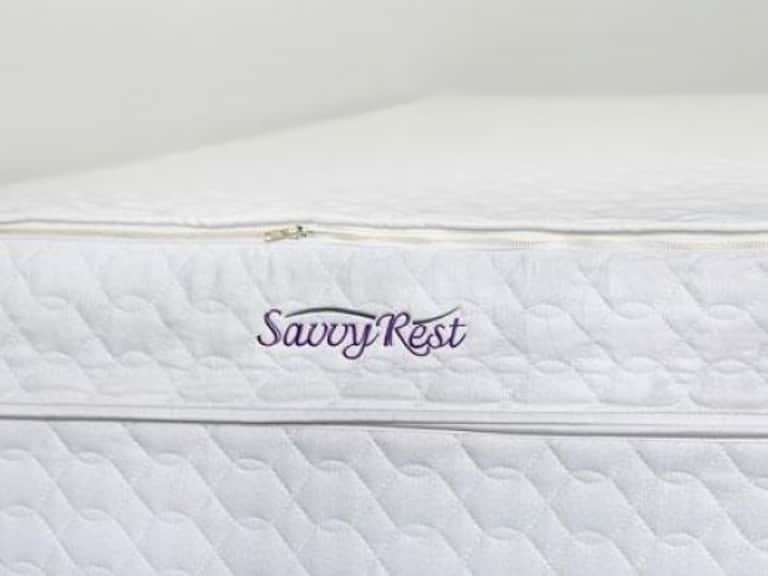
Related model for reference: Savvy Rest Tranquility Latex Mattress (606) – Demonstrates customization and the use of natural latex, wool, and organic cotton in a high-quality organic system.
Note: This is provided for context regarding materials and construction that inform organic choices.