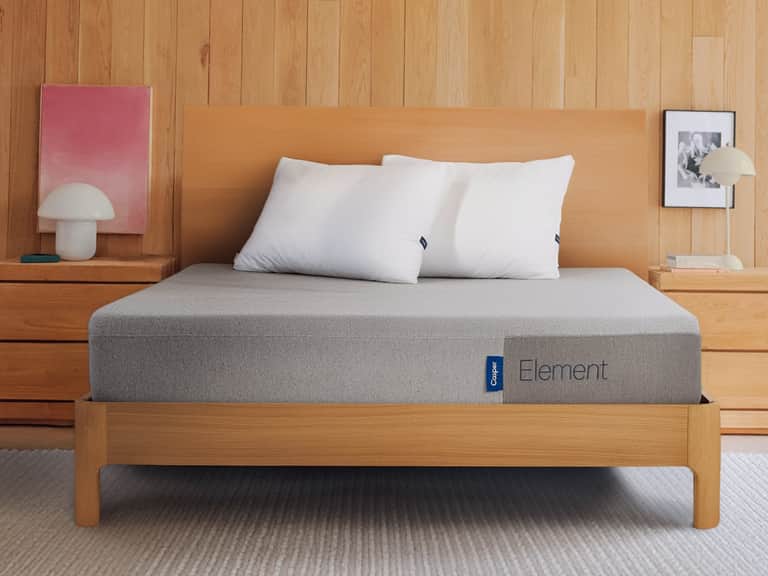
Foam mattresses provide support and pressure relief through viscoelastic or latex-infused foams that adapt to body contours. This category highlights core concepts such as density, firmness levels, and closed-cell versus open-cell constructions, helping readers understand how different foams influence comfort, cooling, and longevity in everyday sleep scenarios.
In foam mattress design, critical features include transition layers, reinforcement cores, and breathable covers. These elements work together to balance contouring support with spinal alignment, while materials like memory foam and cooling foams address heat management. Understanding these characteristics aids in selecting a model that aligns with individual sleep preferences.
Within the Snug™ line, notable products emphasize ergonomic zoning, motion isolation, and durable foams suitable for various bed bases. Each model combines targeted firmness with contouring properties to relieve pressure at hips and shoulders, supporting restful sleep across different sleeping positions and body types.
Key uses for foam mattresses include suitability for guest rooms, multi-purpose spaces, and transitional beds where lightweight, easy setup and good return-to-form resilience matter. Foam constructions often pair well with toppers and latex options to customize feel, while maintaining budget-friendly comfort without sacrificing durability.
For readers prioritizing compatibility with bedding ecosystems, foam mattresses integrate with pillows, travel pillows accessories, and latex mattress toppers to enhance overall sleep surfaces. Knowledge of foam density, airflow, and removable covers informs choices that improve hygiene, temperature regulation, and long-term satisfaction in the bedding landscape.
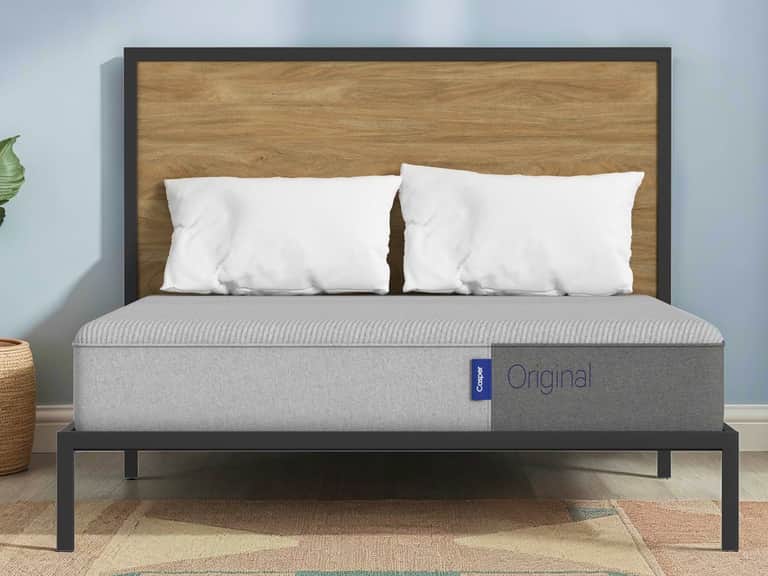 Mattresses