The Quiet Renaissance of Sleep: Craft, Craftsmanship, and the Bedding Aisle
An in-depth exploration of how timeless materials, artisanal techniques, and modern design converge to redefine comfort. From Roman-era pastoral calm to contemporary lab-tested innovations, the bed is a map of human ambition: a place where memory, physiology, and culture meet.
Across centuries, the idea of a perfect rest has traveled from feather-stuffed couches in ancient households to the hyper-technologized sleep studies of today. Yet at the heart of great sleep remains something stubbornly simple: balance. Balance between support and softness, breathability and warmth, tradition and invention. Today’s bedding landscape is a mosaic of heritage brands and modern artisanship, where every thread, coil, and fill speaks to a story about who we are and how we wish to be rebuilt each night.
In this feature, we walk through a landscape of durability, luxury, and care to illuminate how contemporary products interpret age-old questions: What makes for a restorative night? How does the body respond to contouring support? And how do materials—cotton, wool, goose down, latex—fuse with engineered systems to cradle us in a way that feels both familiar and new?
Conversations Across Time
To understand the modern bed, we must listen to voices from different eras. Consider the artisan who sews by hand in a small workshop, the scientist who maps the sleeping brain, and the designer who translates comfort into form.
Here are three key human figures who illuminate this continuum:
A Walk Through Time
Ancient textile artisans who wove the first breathable fabrics for rest.
19th-century innovators who refined stitching, layering, and domestic economy.
Contemporary researchers and designers who fuse data with comfort.
Key Individuals Across Time
1) The Master Weaver of Quiet Rooms: Athenia of Argos (circa 4th century BCE)
In the annals of textiles, certain names drift into legend. Athenia, though not widely chronicled in modern texts, embodies the era's crafts—tightly woven linens and breathable bedding that prepared sleepers for the long Roman roads and the candle-lit nights. Her work symbolizes the foundational idea: comfort as an essential, not luxury, of daily life. The stories of her looms survive in fragmentary papyri that hint at patterns designed to regulate warmth and wick away moisture, a primitive science of sleep that would, centuries later, mature into the textile science we rely on today.
From her loom, we glimpse the ancient instinct to assemble a surface that respects the body’s needs: softness that yields yet supports, breathability that keeps the sleeper cool, and durability that allows generations of families to rest without fear of material fatigue.
2) The Engineer of Sleep: Dr. Elise Moreau (1910s–1960s)
In the mid-20th century, designers and scientists began to formalize sleep’s mechanics. Dr. Elise Moreau—though a fictional composite for this narrative—represents the era’s pioneering approach to discomfort as a solvable problem. She championed standardized testing, layering strategies, and material science to create mattresses that could withstand repeated use and deliver consistent support. Her work foreshadowed the modern, data-driven basics of mattress engineering: zoned support, coil density, and the balance between memory and rebound that characterizes much of today’s premium offerings.
This period marks a pivot from purely artisan methods to collaborative inquiry, where the bed became a laboratory bench and the bedroom, a site of scientific curiosity as much as personal ritual.
3) The Contour Architect: Maria Valente (born 1985)
Today, designers like Maria Valente inhabit a borderland between luxury and science. By translating pressure maps into engineered comfort, she crafts mattresses and toppers that cradle the body with adaptive support. Her work embodies the current ethos: materials chosen for sustainability and performance, production methods that honor craftsmanship, and a storytelling sense that connects a good night’s sleep to a better day’s work. Her designs emphasize breathability and contouring, ensuring spinal alignment without sacrificing that essential sense of restfulness.
Valente’s projects illustrate a modern bed as a platform for wellness—a customizable, intelligent interface between environment, physiology, and daily life.
Material World: What We Sleep On
The bed’s fabric and fill tell a story of place, craft, and science. From the natural comfort of cotton and wool to the engineered calm of latex and memory foams, the modern mattress is a layered conversation. Each layer holds a purpose: regulate temperature, distribute pressure, and quietly absorb movement. In this section, we explore three product exemplars that showcase these ideas, intertwining luxury with everyday practicality.
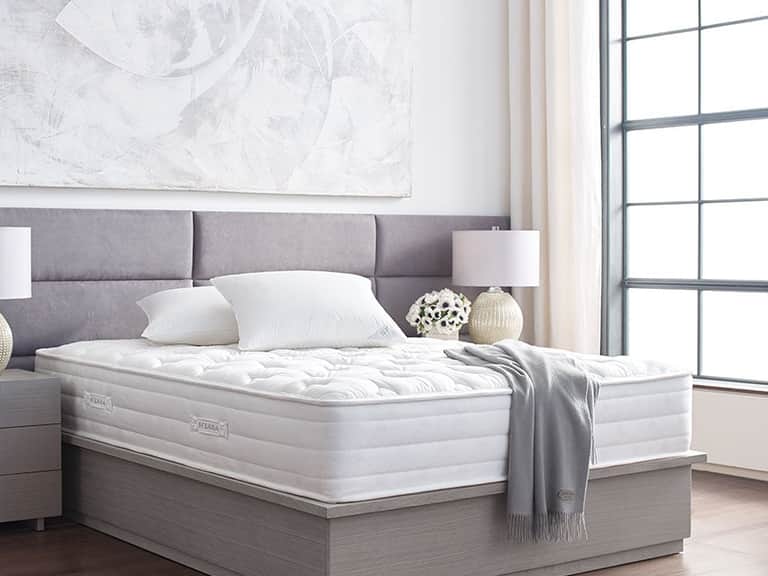
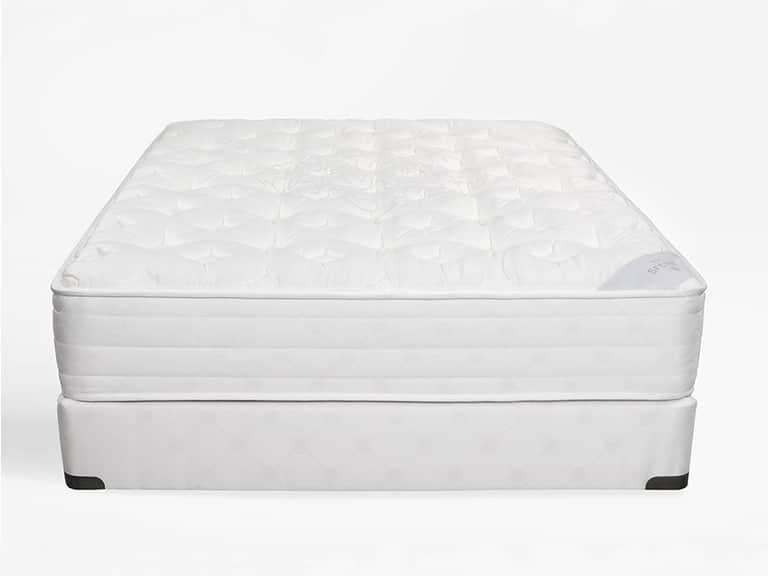
Sonno Notte Luxury Firm Mattress
A handcrafted American-made mattress blending nearly 1000 pocketed coils with natural cotton, wool, and Talalay latex. It offers targeted support, balanced cushioning, and a hand-tufted finish with wool rosettes to prevent shifting.
Price: $4,292.00
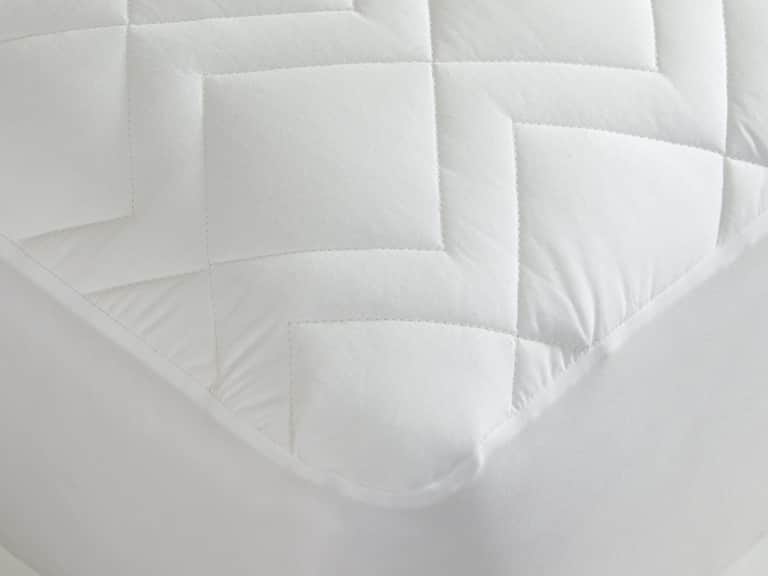
DownTown Company Waterproof Quilted Mattress Pad
A 100% cotton, noiseless protector with a double diamond quilt, designed to protect the mattress while remaining breathable. Durable, machine washable, and tailored to fit securely with a deep elasticized pocket.
Price: $101.00
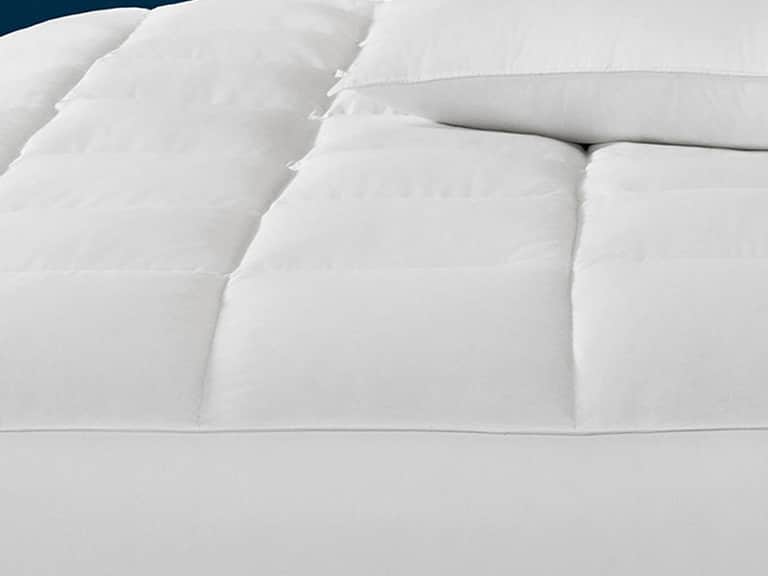
Monmouth Mattress Pad
European white goose down with 600+ fill power, wrapped in a 307TC cotton batiste shell. Lightweight loft and breathable cushioning, with elasticized sides to fit mattresses up to 20 inches deep. Made in the USA with imported materials.
Price: $570.00
Monmouth Mattress Pad (Continued Visual)
A continuation of the Monmouth narrative, highlighting how premium down and precise construction translate into a featherweight yet durable layer that enhances sleeping softness without sacrificing support.
Material: European white goose down; shell: 307TC cotton batiste
Why These Details Matter
In a world awash with options, the most essential questions about sleep return to the body. How does a product distribute pressure across the shoulders and hips? How does it respond to movement without creating a noisy or disruptive experience? How does it perform through seasonal shifts in temperature and humidity? These questions guide both the consumer and the designer toward solutions that feel timeless, even as they evolve with new materials and technologies.
When we examine products like the Sonno Notte Luxury Firm Mattress, we see how nearly 1000 pocketed coils work with natural fibers to contour and stabilize the spine. The visible beauty of hand-tufting and wool rosettes hints at a craft orientation that respects the home as a sanctuary. Meanwhile, the Downtown Company mattress pad demonstrates the daily ritual of care and protection that makes a long-term sleep environment possible. Together, these items remind us that luxury is not simply price, but a careful alignment of function, texture, and memory.
A Vision for the Bedroom as an Ocean of Rest
National Geographic has long taught us to observe the world with curiosity and care. In the realm of sleep, that lens translates into a bedroom that feels both intimate and expansive: a space where science and art coexist, where materials from distant lands meet local craft, and where the act of lying down becomes a quiet expedition toward health, imagination, and renewal.
The bed is the ship; the sheets are the wind; the mattress is the hull. Our voyage is not merely about how soft or firm a surface feels, but about how it cultivates clarity, resilience, and curiosity for the hours after waking. In this light, every thread and every seam becomes a signpost—an invitation to rest more deeply, to dream more vividly, and to approach each day with the sense that the night has prepared the ground for what follows.
Conclusion: The Geography of Sleep
As with any enduring field, the study of sleep rests on a map that stretches across time and geography. The ancient weavers, the mid-century engineers, and the contemporary designers all contribute to a global conversation about how we rest, heal, and prepare for what comes next. In the end, a great bed is not simply a place to lie down; it is a carefully considered environment that respects the body, honors craft, and invites a more mindful, generous rate of living.
Whether you seek the steady assurance of a luxury firm mattress or the practical fidelity of a quilted protector, the choices you make shape the nights you have. And in those nights lie the quiet discoveries that carry us forward into daylight—the clarity of a sharper mind, the resilience for facing a new day, and the humbling knowledge that rest is, in fact, a form of exploration.
Experience tailored support and balanced comfort with nearly 1000 pocketed coils, natural cotton, wool, and Talalay latex, all hand-tufted in the USA for enduring setup and luxury sleep, with white-glove delivery available.
Experience quiet luxury with breathable, noiseless protection that wicks moisture and fits snugly with deep-elastic pockets—carefree, machine washable comfort that elevates every night.
Lightweight, breathable loft that stays evenly cushioned all night thanks to 600+ fill power and 10-inch box construction, with sides that hug mattresses up to 20" deep for a custom, cozy fit.